residential deck builder

residential deck builder

Material Selection

Material Selection


When it comes to building a residential deck, material selection is a crucial decision that can greatly impact the overall quality and longevity of the structure. There are several factors to consider when choosing the right materials for your deck, including durability, maintenance requirements, cost, and aesthetics.


One of the most popular materials for residential decks is pressure-treated wood, as it is affordable, readily available, and easy to work with. However, pressure-treated wood does require regular maintenance in the form of staining or sealing to prevent rot and decay over time.


For those looking for a low-maintenance option, composite decking may be a better choice. Composite decking is made from a combination of wood fibers and recycled plastic, making it resistant to rot, mold, and insects. While composite decking tends to be more expensive upfront, it requires minimal upkeep and can last much longer than traditional wood decking.


Another option to consider is tropical hardwoods, such as ipe or mahogany. These exotic woods are incredibly durable and naturally resistant to rot and insects. However, tropical hardwoods come with a higher price tag and may require special tools and expertise to install properly.


Ultimately, the best material for your residential deck will depend on your budget, maintenance preferences, and aesthetic preferences. By carefully considering these factors and doing thorough research on your options, you can select the right material that will provide you with a beautiful and long-lasting deck for years to come.

Deck Design and Layout


When it comes to designing and laying out a deck for your residential property, there are a few key factors to consider in order to create a functional and aesthetically pleasing outdoor space.


First and foremost, its important to think about the purpose of your deck. Are you looking to create a space for entertaining guests, or do you simply want a quiet spot to relax and enjoy the outdoors? Understanding how you plan to use your deck will help determine the size, shape, and layout that will best suit your needs.


Next, consider the layout of your property and how the deck will fit into the overall design. Take into account existing landscaping, the location of doors and windows, and any other outdoor features that may impact the placement of your deck. Youll want to ensure that your deck not only complements your homes architecture but also enhances the natural beauty of your surroundings.


When it comes to design, the possibilities are endless. From traditional wood decks to modern composite materials, there are a variety of options to choose from. Consider factors such as maintenance, durability, and cost when selecting the materials for your deck.


In terms of layout, think about how you will use the different areas of your deck. Will you need space for outdoor dining, seating, or a grill? Its important to create distinct zones that flow seamlessly together while still serving their individual purposes.


Ultimately, the key to a successful deck design and layout is thoughtful planning and attention to detail. By considering your needs, the layout of your property, and the design elements that will best suit your style, you can create a deck that not only enhances your home but also provides a welcoming outdoor retreat for years to come.

Construction Process


When it comes to building a residential deck, the construction process is a crucial aspect that requires careful planning and execution. From the initial design phase to the final touches, each step plays a vital role in creating a functional and visually appealing outdoor space.


The construction process typically begins with the design phase, where the homeowner works closely with the deck builder to discuss their vision and requirements. This stage involves determining the size, layout, materials, and any special features of the deck. Once the design is finalized, the builder will obtain any necessary permits and approvals before construction can begin.


Next, the site preparation phase involves clearing the area where the deck will be built and ensuring the ground is level and stable. This may involve excavating, grading, and compacting the soil to create a solid foundation for the deck. Once the site is ready, the builder will begin constructing the frame and support structure of the deck, typically using pressure-treated lumber for durability.


With the frame in place, the decking materials can be installed, whether its traditional wood, composite decking, or another material. The builder will carefully measure and cut each piece to fit perfectly, ensuring a smooth and uniform surface. Railings, stairs, and any additional features are then added to complete the deck.


Finally, the finishing touches are applied, such as staining, sealing, or painting the deck to protect it from the elements and enhance its appearance. Landscaping around the deck may also be done to tie the outdoor space seamlessly into the surrounding environment.


Throughout the construction process, communication between the homeowner and the builder is key to ensuring the project meets expectations and stays on track. By following a systematic approach and paying attention to detail, a skilled residential deck builder can create a beautiful and functional outdoor living space that will be enjoyed for years to come.

Maintenance and Care


When it comes to maintaining and caring for your residential deck, there are a few key things to keep in mind to ensure its longevity and beauty. Regular maintenance is essential to prevent damage and keep your deck looking its best.


One important aspect of maintenance is cleaning. Regularly sweeping off debris and dirt, as well as washing the deck with a mild detergent, can help prevent mold and mildew from building up. Its also a good idea to inspect the deck for any signs of damage, such as loose boards or nails, and make repairs as needed.


Another important aspect of care is sealing and staining the deck. This can help protect the wood from the elements and keep it looking fresh and new. Its recommended to reseal and restain the deck every few years, depending on the type of wood and the climate you live in.


In addition to regular cleaning and sealing, its important to also check for any signs of structural damage, such as rotting or warping boards. If you notice any issues, its best to address them promptly to prevent further damage and ensure the safety of your deck.


Taking the time to properly maintain and care for your residential deck will not only help it last for years to come but also ensure that you can continue to enjoy it for many seasons. So, make sure to stay on top of cleaning, sealing, and repairs to keep your deck in top condition.

How a Custom Deck Can Increase Your Home Value

Adding a custom deck to your home can significantly increase its value. Decks expand your living space, improve curb appeal, and provide areas for relaxation and entertainment. In Greenville, SC, homeowners can benefit from both functional and aesthetic upgrades when they invest in a quality deck.

Boosting Curb Appeal

A well-designed deck enhances the exterior of your home. Potential buyers often notice outdoor spaces first. A clean, attractive deck makes a home appear more inviting and cared for. This positive impression can increase the perceived value of your property.

Expanding Usable Space

A deck adds square footage to your home without the cost of an interior remodel. Outdoor living areas can serve as dining areas, entertainment zones, or quiet retreats. Extra functional space can attract buyers and justify a higher asking price.

Increasing Functional Value

Custom decks improve the way homeowners use their property. You can include features like seating areas, planters, pergolas, or lighting. Each feature enhances comfort and usability, making your home more appealing to buyers. Functional outdoor spaces are highly desirable in Greenville due to the region’s climate and lifestyle.

Material Choices Matter

Choosing the right materials can influence both durability and appearance. Hardwood decks, such as cedar or redwood, offer a natural look and long-lasting performance. Composite materials provide low maintenance and resistance to fading, warping, and insects. Selecting materials that suit your climate and style can increase your home’s resale value.

Energy Efficiency Benefits

Decks can support energy-saving features like shading or roof extensions. Strategically placed pergolas or overhangs can reduce heat inside the home during the summer. These improvements appeal to energy-conscious buyers and add practical value.

Enhancing Outdoor Lifestyle

A custom deck encourages outdoor living. Families can enjoy meals outside, host gatherings, or relax after work. Homes with functional outdoor areas often sell faster and at higher prices. Outdoor spaces have become a top priority for many homebuyers in Greenville.

Professional Installation Matters

Hiring professionals ensures the deck is built safely and efficiently. Elite Decks Greenville provides skilled craftsmanship and knowledge of local building codes. Proper installation reduces maintenance issues and improves longevity, which increases buyer confidence and property value.

Return on Investment

Decks can offer a strong return on investment. Studies show that homeowners can recover a significant portion of their deck costs when selling their property. Factors such as size, materials, and design quality affect the exact increase in home value. A well-maintained, attractive deck often generates the highest returns.

Custom Designs for Unique Homes

Custom decks allow homeowners to match the style of their home. Whether you prefer modern lines, classic wood, or multi-level layouts, a custom deck complements your property. A cohesive look increases aesthetic appeal and perceived value. Buyers respond positively to homes with unique and practical outdoor spaces.

Maintenance and Longevity

Durable decks require minimal maintenance, which adds to their value. Regular cleaning, sealing, and inspections preserve appearance and function. Composite decks require very little upkeep, making them especially attractive to buyers who want low-maintenance homes. A well-maintained deck signals that the property is cared for.

Conclusion

Investing in a custom deck can increase your home value in Greenville, SC. Decks boost curb appeal, expand usable space, and provide functional outdoor areas. Using quality materials and professional installation ensures durability and long-term benefits. Outdoor living spaces are in high demand, and a custom deck can make your home stand out. By choosing the right design and materials, homeowners can enjoy increased comfort today and higher resale value in the future.

Citations and other links

Deck may refer to:

A level or platform

[edit]

Buildings and structures

[edit]

Transportation

[edit]
  • Bus deck, referring to the number of passenger levels on a bus
  • Cockpit, also called a "flight deck"

Maritime

[edit]

Audiovisual equipment

[edit]

People

[edit]

Other uses

[edit]

See also

[edit]
A deck in the backyard of a suburban house
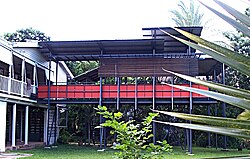
A high level corridor deck in the backyard of a suburban house in Australia
A high level deck in the backyard of a suburban house in Australia. The decking is selangan batu, a Malaysian timber.

In architecture, a deck is a flat surface capable of supporting weight, similar to a floor, but typically constructed outdoors, often elevated from the ground, and usually connected to a building. The term is a generalization from the deck of a ship. A level architectural deck may be intended for use by people, e.g., what in the UK is usually called a decked patio. "Roof deck" refers to the flat layer of construction materials to which the weather impervious layers are attached to form a roof, and they may be either level (for a "flat" rooftop) or sloped.

Functions and materials

[edit]

Wood or timber decking can be used in a number of ways: as part of garden landscaping, to extend the living area of a house, and as an alternative to stone-based features such as patios. Decks are made from treated lumber, composite lumber, composite material, and aluminum. Lumber may be western red cedar, teak, mahogany, ipê, reclaimed and recycled ulin and other hardwoods. Recycled planks may be high-density polyethylene (HDPE), polystyrene (PS) and PET plastic as well as mixed plastics and wood fiber (often called "composite" lumber). Artificial decking products are often called "wood-plastic composites" (WPC). WPCs have different brands like NewTechWood, Azek, Ecornboard etc.[1]

Historically, the softwoods used for decking were logged from old growth forests. These include Atlantic white cedar, redwood, and western red cedar (redcedar). Atlantic City built the first coastal boardwalk in the United States, originally constructed of the Atlantic white cedar. Soon, the commercial logging of this tree and clearing of cedar swamps in New Jersey caused a decline in the availability of decking. Atlantic City and New York City both switched to Western red cedar. By the 1960s, western red cedar from the US was declining due to over-logging. More expensive western red cedar was available from western Canada (British Columbia) but by then, pressure-treated pine had become available.

But even with chemical treatments (such as chromated copper arsenate or CCA), pine decking is not as durable as cedars in an outdoor environment. Thus, many municipalities and homeowners are turning to hardwoods. Decks are often built from pressure-treated wood. Pressure-treated wood is long lasting and holds up to wet and icy conditions. Pressure-treating chemicals are known to be toxic.[2] Both softwood and hardwood decks need to be finished after installation using either an oil or varnish to prevent weathering, wear, mould, algae and wood-boring insects.[3]

Due to environmental and durability concerns, composite decking (a mixture of two materials, typically wood pulp and recycled material such as plastic bottles or plastic bags) have appeared on the market. Proponents of composite decking tout it as a much-needed development, as it helps to curb logging of trees for new decks. However, composite decking contains harmful chemicals, cannot be refurbished, and despite claims from decking companies, some composite decking still attracts mold. However, newer more modern composites feature a cap or shell that prevents mold and staining.[4] In multi-story commercial construction, the dominant form of deck (including roof deck) construction is composite steel deck.

Generally, hardwoods used for decking come from tropical forests. Much of the logging of these woods, especially teak, mahogany and ipê, is illegal, as outlined in numerous reports by environmental organizations such as Greenpeace, Friends of the Earth and Rainforest Relief.[5][6][7] US tropical wood imports are rising, partly due to the demand for decking.

Construction

[edit]

The deck of a house is generally a wooden platform built above the ground and connected to the main building. It is generally enclosed by a railing for safety. Access may be from the house through doors and from the ground via a stairway. Residential decks can be constructed over steep areas or rough ground that is otherwise unusable. Decks can also be covered by a canopy or pergola to control sunlight. Deck designs can be found in numerous books, do-it-yourself magazines, and websites, and from the USDA.[8]

Typical construction is either of a post and beam architecture, or a cantilever construction. The post-and-beam construction relies on posts anchored to piers in the ground. Typically, these types of structural decks are engineered and require an experienced construction company that specializes in structural decks. Cantilever decks rely on floor joists that protrude out further than the wall of the house. While this type of construction is common, it raises significant safety issues if the decks are not properly waterproofed and flashed. There have been a growing number of deck failures resulting in death and critical injuries. Another key component of decks are code compliant railings. Railings on decks above 760 mm (30 in) are considered guard rails.[according to whom?] Guard rails have a specific building code requirement for both height and structural strength. Most U.S. commercial building codes require a 1,100 mm (42 in) guardrail on decks, and 910 or 1,070 mm (36 or 42 in) for a residential code depending on the state. Typical railing assemblies must meet structural strength requirements of 9.6 kPa (200 lbf/ft2). In short, decks are complex load-bearing structures that most often require structural engineering, plans, and permits.

Residential decks may contain spaces for cooking and seating. Cooking areas ideally should be situated near the patio door while out of the way from general foot traffic. Dining spaces will include patio tables. For a typical six-person outdoor patio table building, an area of 3.7 m × 4.9 m (12 ft × 16 ft) is ideal. If deck space is available, homeowners may choose to include for the seating, outdoor couches and benches.

Larger buildings may also have decks on the upper floors of the building which can be open to the public as observation decks or greeneries. A deck is also the surface used to construct a boardwalk over sand on barrier islands.

Laying deck or throwing deck refers to the act of placing and bolting down cold-formed steel beneath roofing and concrete floors. This is usually done by an ironworker, sometimes in conjunction with a cement mason or carpenter. It regarded as one of the most physically demanding jobs in the iron working industry.[citation needed]

In the United Kingdom the various bans on smoking in public buildings were expected to lead to an increase in the use of timber decking for outdoor spaces where smokers can gather.[9]

See also

[edit]

References

[edit]
  1. ^ "How to Choose the Right Lumber for Your Deck?". 5 Nov 2023.
  2. ^ "Lumber Pressure Treated with Chromated Copper Arsenate". New York State Department of Environmental Conservation. 2013.
  3. ^ "Choosing The Best Decking Oil". Blueprint Joinery. Retrieved 2019-02-08.
  4. ^ Paster, Pablo (2009). "Deck: Wood or Plastic?". Treehugger.
  5. ^ Keating, Tim (1997), Teak is Torture: Forced Labor Logging in Burma (PDF), Rainforest Relief, New York
  6. ^ Keating, Tim (1998), Deep Impact: An Estimate of Tropical Rainforest Acres Impacted for a Board Foot of Imported Ipê (PDF), Rainforest Relief, New York
  7. ^ Monbiot, George (1992), Mahogany is Murder: Mahogany Extraction from Indian Reserves in Brazil, Friends of the Earth, London, ISBN 978-1-85750-160-5
  8. ^ L.O. Anderson, T.B. Heebink, and A.E. Oviatt. (1972)."Construction guides for exposed wood decks. Agriculture handbook no. 432". Washington: USDA, Forest Service.
  9. ^ "Smoking Ban Good News For Decking", Timber Construction, 2007
[edit]
  • Media related to Decks (architecture) at Wikimedia Commons